Machine & Process
Independent laser expertise.
Along the entire technology cycle.
Wherever you stand. Whatever you know.
Wherever you stand. Whatever you know.
Laser can do a lot for your product. What if you could explore the full depth of the technology — independent of any single manufacturer?
The full range of laser technology — pulse durations, wavelengths, beam delivery — evaluated for your specific application. Not limited to what's currently installed on any single machine. When your product demands it, we test beyond OEM application labs, including research facilities. The right technology, at the right industrialisation level, with the future in mind.
Phase 1 covers the full range — from commercially available machines through customised systems to entirely new concepts with extensive process development, on research setups too. Beyond what the typical OEM market offers, if your application demands it.
This is where the expensive mistakes are made — or prevented.
Supplier evaluation, system architecture, control platform selection. Process-specific FAT and SAT protocols — testing what matters on the workpiece, at production speed, not just individual axes at crawl. Realistic risk assessment of every partner in the chain. And tuning that reflects your actual parts and laser jobs, not factory defaults.
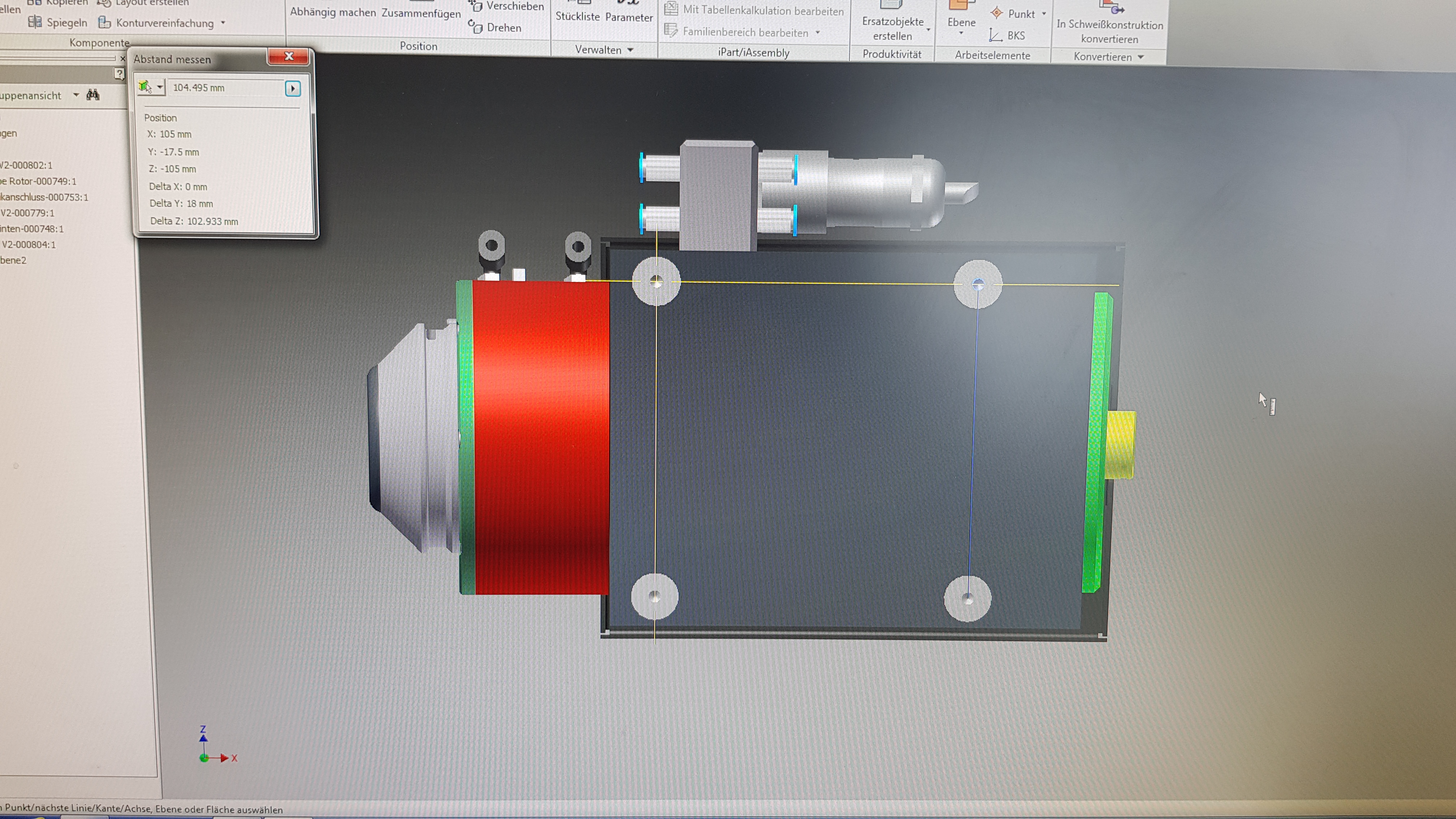
The machine is being built. Time to prepare — not just wait.
Regular follow-up with the OEM to catch delays and risks early. On your side: infrastructure, cleanroom, climate control, part logistics — everything that needs to be ready before the machine arrives. The FAT closes this phase — against the protocols written in Phase 2.
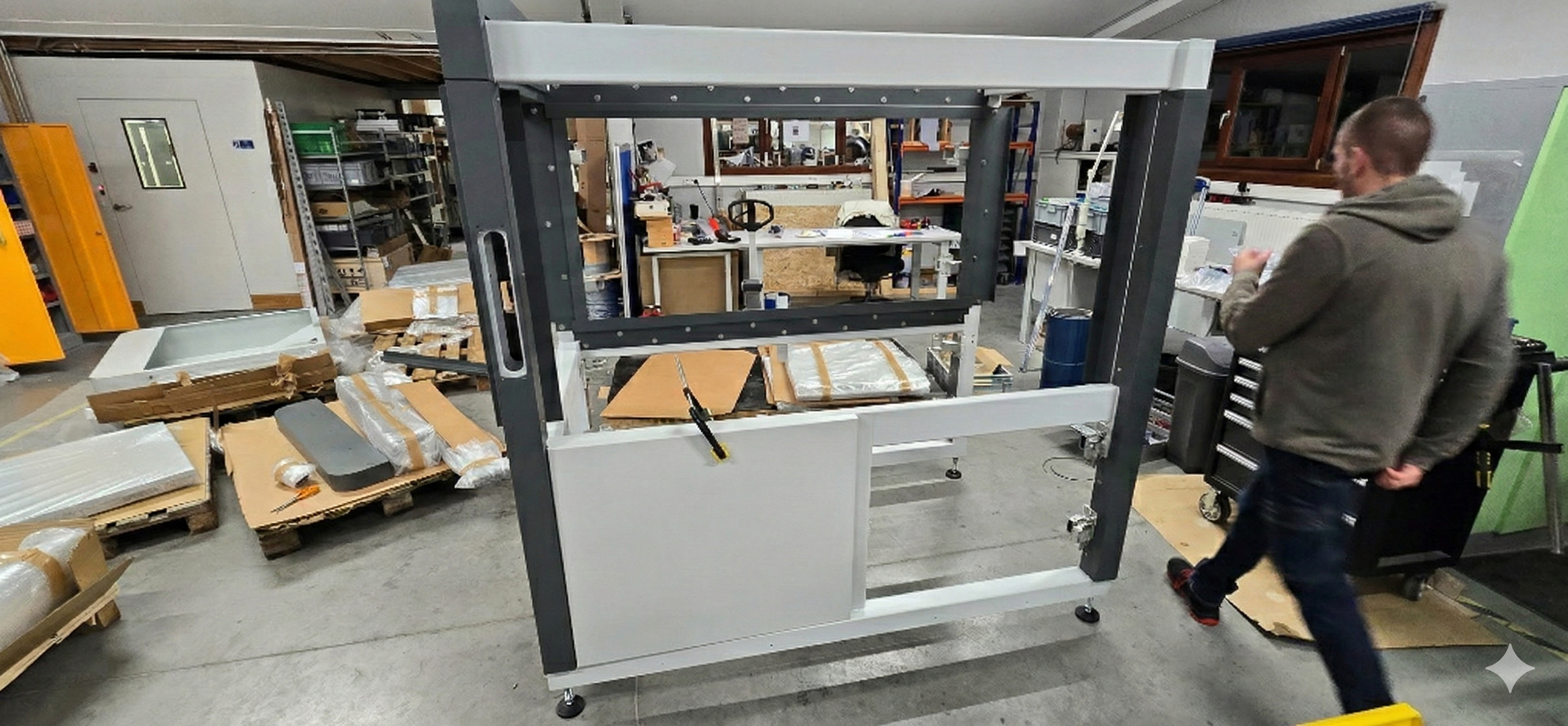
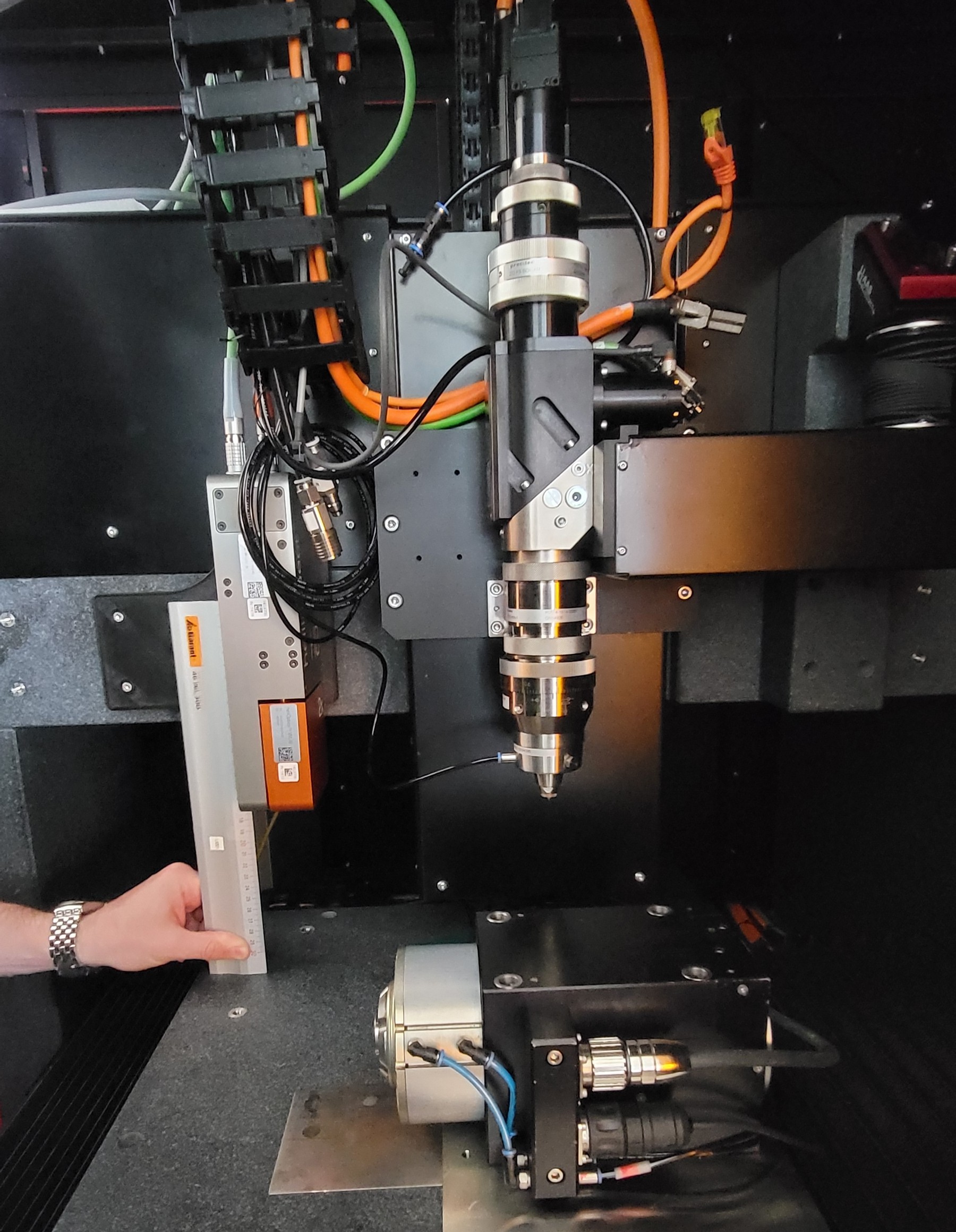
Between delivery and production readiness, every detail counts. We stay until it's done.
Installation support, commissioning, and the SAT — confirming performance under real factory conditions. The open items from the FAT punchlist don't resolve themselves. Someone needs to prioritise, push, and follow through until every critical point is closed.
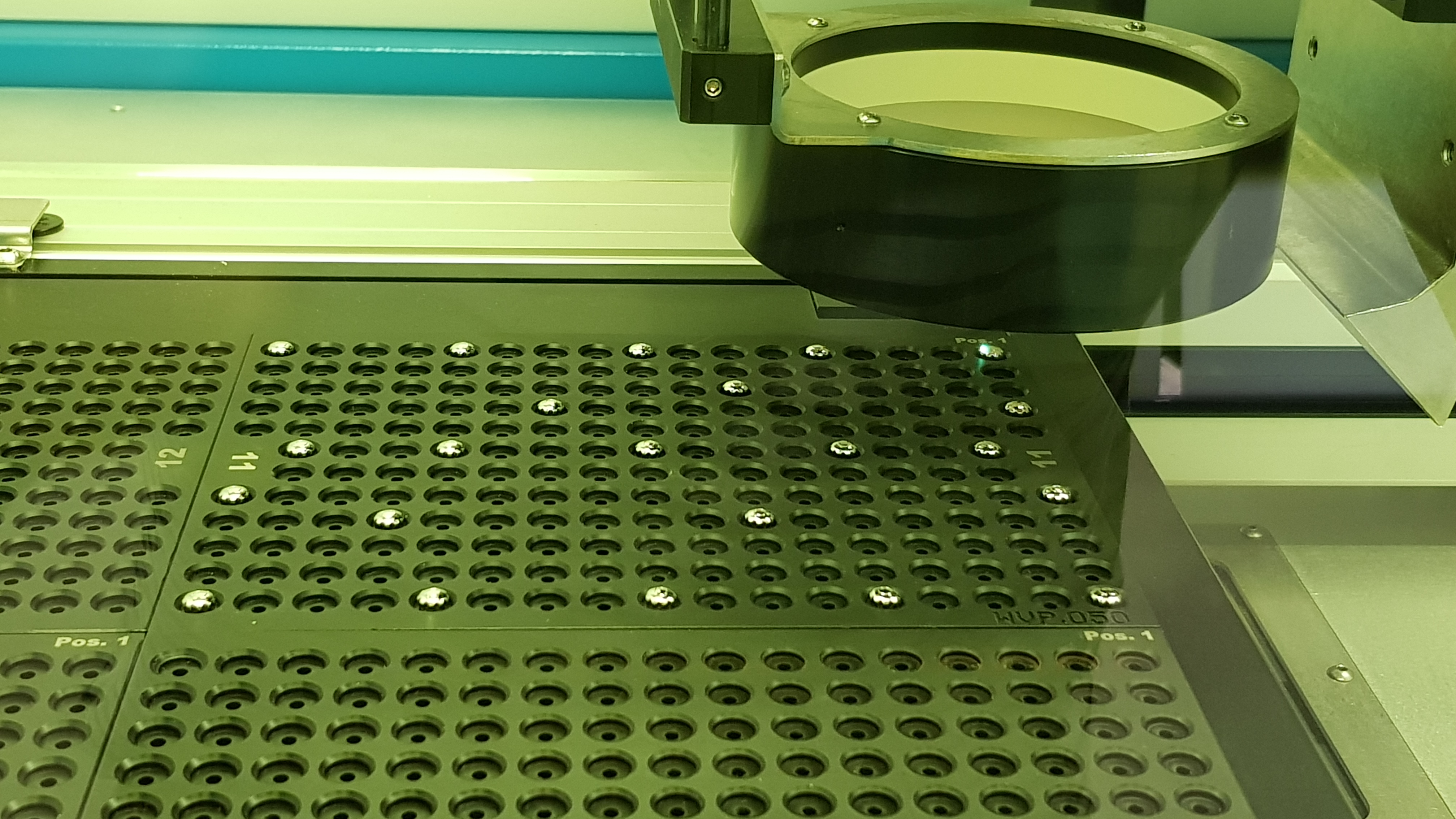
The FAT validated a few test parts. Production demands more.
Different materials, different geometries, different sizes — each variant can behave completely differently. The adaptations can be trickier than they seem. And from this point on, you're usually on your own. You don't have to be.
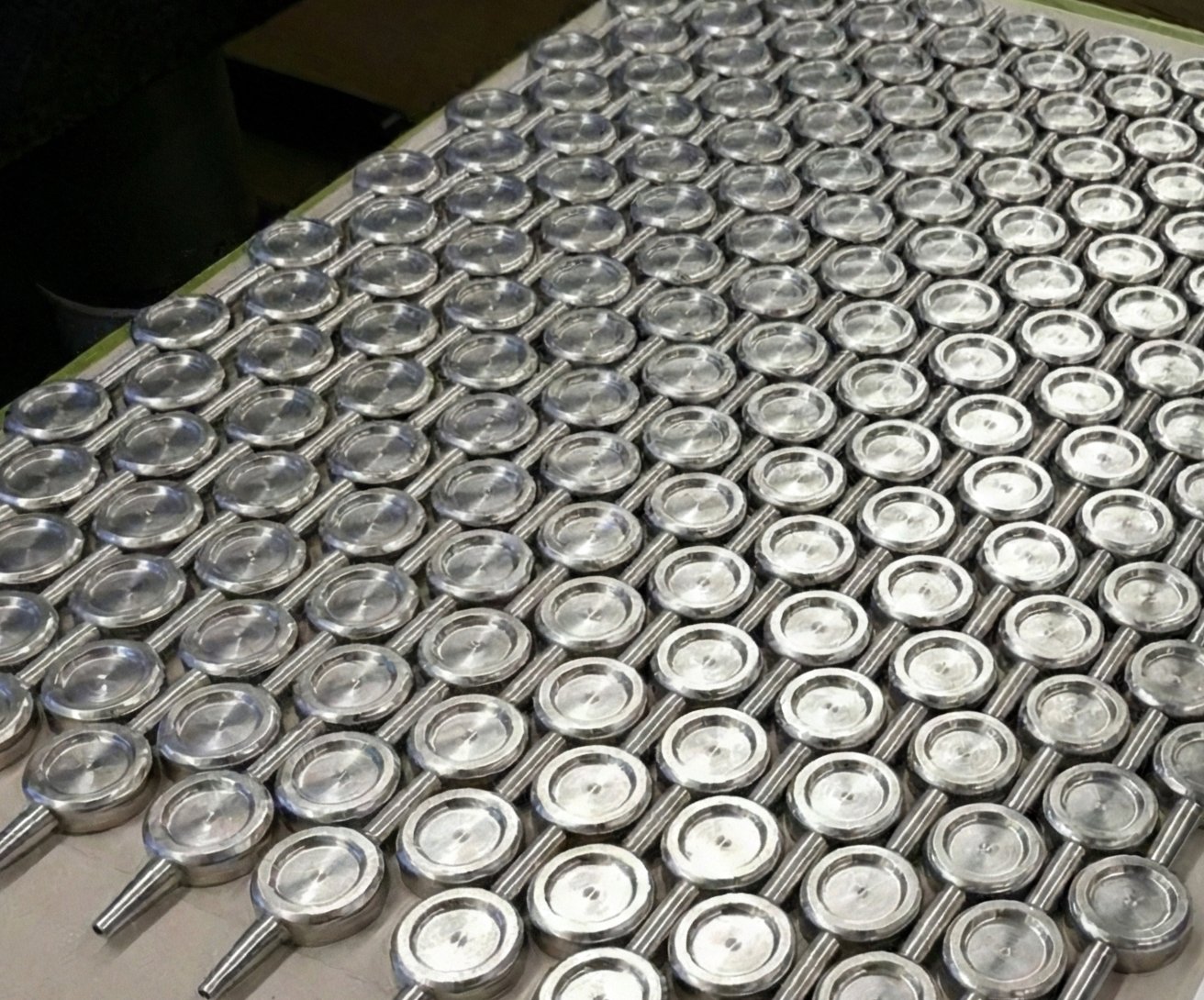
Years of production work on the machine. The consequences don't announce themselves. They accumulate.
Optics can degrade. The laser source does. Mechanical components wear. The control system that was state of the art ten years ago now runs on an operating system no longer supported. But does anyone know where the machine stands today compared to day one?
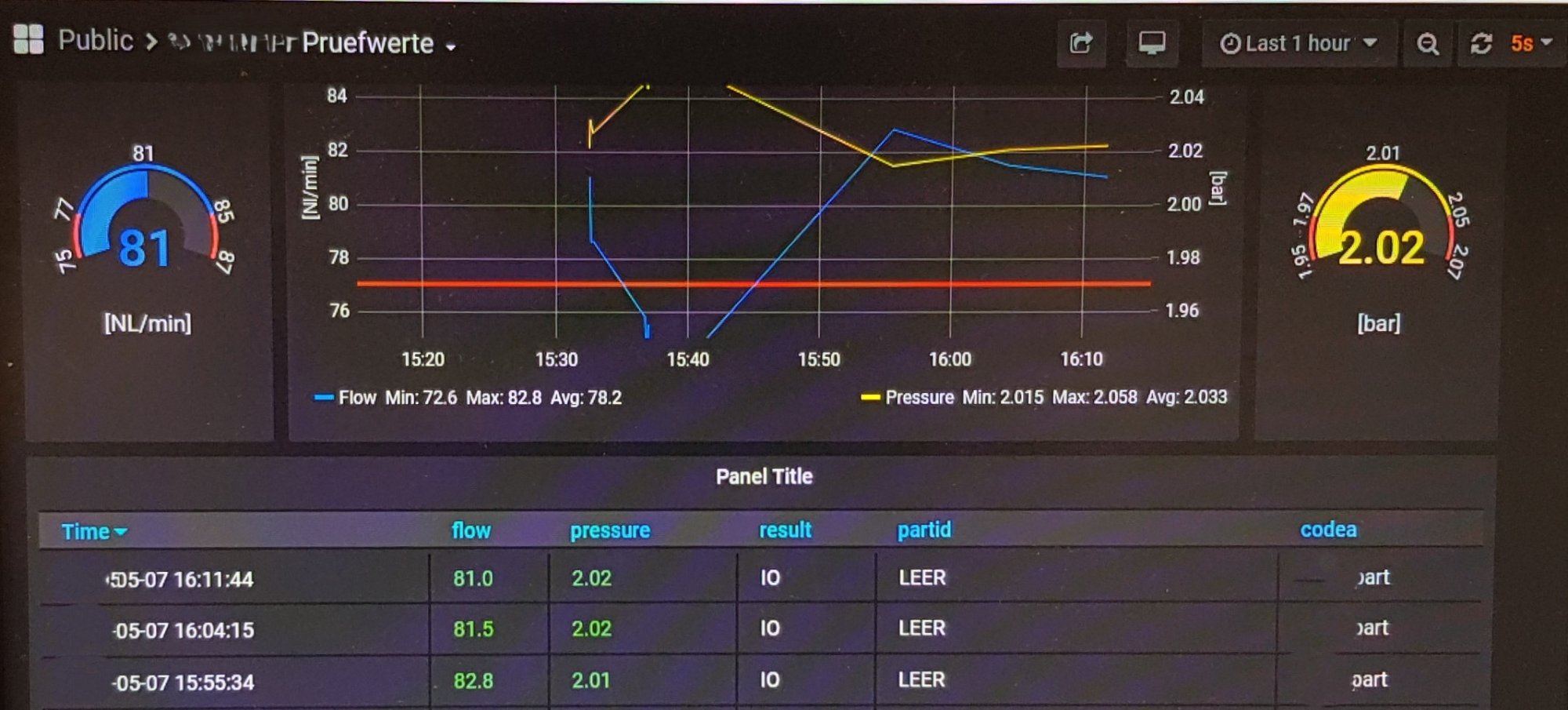
Proactive monitoring — machine condition, process stability, long-term trends — replaces guesswork with data. Whether you run high-mix job shop or high-volume series: the approach differs, but the need for transparency is the same.
Dedicated diagnostic tool in development · 2026.
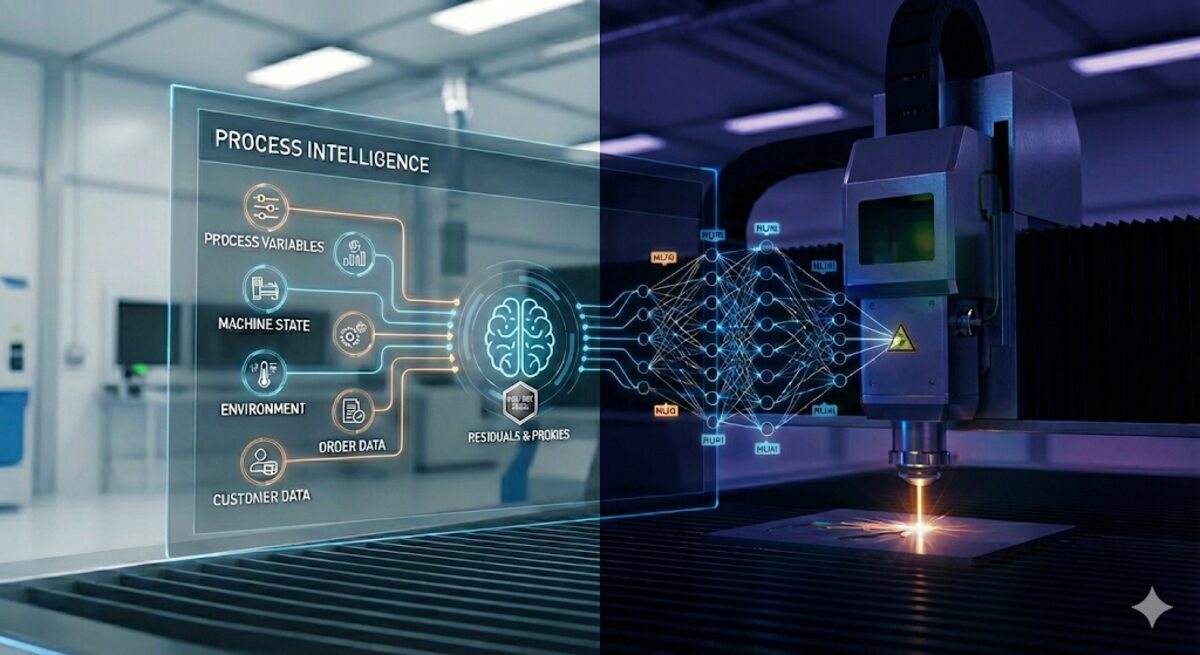
Phase 6 maintenance has a tipping point. Renew, replace, or restart?
An independent assessment of what's worth keeping and what's not — from someone who understands both the original architecture and what's available today. In regulated industries, a new machine means revalidation. When the concept is still sound, retrofit is the smarter path. When it's not, Phase 1 begins again.
Bringing laser technology into your production is a journey worth taking. Let's add the depth of knowledge and experience that levels it up.